
 Photoshop
 ZBrush
 Houdini
 Substance Painter
 Blender
 Unreal Engine
 Arnold
 Nuke
Nuke KeyShot
 V-Ray
V-Ray Marmoset Toolbag
 Mari
Mari Marvelous Designer
 Substance Designer
 3ds Max
 3DCoat
 Redshift
 Faceform Wrap
 Lightroom
 After Effects
 OctaneRender
 SpeedTree
 Daz 3D
 Agisoft Metashape
 Fusion
 Modo
Modo RealityCapture
 Gaea
Gaea Cinema 4D
 Gravity Sketch
 Premiere
 Procreate
 Clip Studio Paint
 SketchUp
 SketchBook
 Katana
 Natron
 Mudbox
 Quixel Bridge
 Quixel Megascans
 Quixel Mixer
 Substance 3D Modeler
 World Creator
 Yeti
Yeti Ziva VFX
 Mixamo
 Adobe Medium
 Quixel DDO
 xNormal
 Meshmixer
 Storyboard Pro
 DaVinci Resolve
 TreeIt
 World Machine
 Gaffer
 Corel Painter
 SynthEyes
 Krita
Krita Massive
 Materialize
 Unity
Unity Ornatrix
 PreForm
 Moi 3D
 animBot
 QuickTime
 ReCap
ReCap
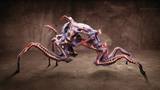










Dive into the world of creature animation with this immersive workshop designed for aspiring animators and game developers, taught by Animation Lead, Christian Brierley. Whether you’re a beginner eager to explore the art of creature animation, or an experienced animator looking to refine your skills, this detailed workshop will equip you with the tools and techniques needed to create compelling, lifelike animations for video game creatures.
Over the course of 7.5 hours, you'll embark on a journey through the principles of creature animation, from proper reference collecting, motion studies, blocking out your key poses, and through to the final presentation. Christian will guide you through hands-on exercises and examples, providing you with a comprehensive understanding of how to breathe life into your 3D game characters.
This workshop uses the Runner Creature rig by Truong CG Artist with modeling and texture work done by Koushik Routh.
14 Lessons
Christian introduces his workshop, which provides a comprehensive, structured approach to creature animation specifically tailored for game development. By following a consistent methodology across multiple animation types and emphasizing both technical execution and professional presentation, artists will develop a comprehensive skill set for creating polished, game-ready creature animations. His progressive workflow from setup through blocking to final polish mirrors industry-standard animation pipelines.
Duration: 1m 11s

Proper rig and scene setup is a critical foundation for an efficient animation workflow. By investing time upfront to configure hotkeys, organize layers, set up picker interfaces, and understand the rig's capabilities, animators can work significantly faster and focus on the creative aspects of their work rather than technical obstacles. This preparation phase ensures a smoother animation process and allows for better artistic decision-making throughout the project.
Duration: 8m 24s

Reference collection is a crucial pre-animation step that involves systematically analyzing your creature's anatomy, gathering both static and video references, and finding inspiration for the emotional quality of movement. The goal isn't to copy references directly, but to use them as inspiration while understanding the underlying mechanics of how real creatures move, including limb structure, weight distribution, and body flow. By combining technical understanding from real animal locomotion with creative inspiration from fantasy sources, animators can create believable yet stylized creature animation that feels grounded, aggressive, and dynamic.
Duration: 21m 31s

This lesson demonstrates a practical, production-focused approach to creature animation blocking that prioritizes functionality and iteration speed over immediate perfection. Christian emphasizes the importance of getting the foundational timing, speed, and weight distribution correct in the blocking phase before moving to polish, and advocates for early in-game testing to validate design decisions. His layered methodology enables flexible problem-solving, particularly for complex, multi-legged locomotion that requires different timing adjustments across limb sets.
Duration: 45m 23s

This polish pass lesson emphasizes that creating believable creature animation is an iterative, experimental process rather than a formulaic one. The key to achieving natural movement lies in understanding the sine-wave principle, including how different body parts lead and follow each other through offset timing. Willingness to continuously test, adjust, and "feel out" what works is also an important element for success. Christian demonstrates that polishing is about layering subtle movements and offsets until the character moves with organic flow and the aggressive, chaotic energy appropriate for the creature being animated.
Duration: 31m 31s

This lesson demonstrates that professional animation polish is an iterative, detail-oriented process that builds complexity through layers. Christian emphasizes working from large motion to fine detail, using both manual keyframe adjustments and automated tools, such as the Overlapper script, to achieve natural, appealing movement. While the work shown still needs refinement, the methodical approach of establishing primary motion, adding secondary animation, and continuously reviewing and adjusting demonstrates how animators achieve polished, lifelike creature animation. His process requires patience, frequent playback reviews, and the willingness to push poses before pulling them back to find the right balance.
Duration: 35m 15s

Before beginning animation work, thorough preparation is essential for creating believable creature attacks. By combining technical specifications from designers with diverse visual reference material from nature and media, animators can craft compelling performances that balance gameplay requirements with artistic quality. Christian demonstrates the ability to synthesize multiple references, drawing on spider strikes, horse rearing behavior, and cinematic creatures to create something unique that serves both the game's mechanical needs and the creature's characteristic ferocity and weight.
Duration: 24m 27s

This lesson demonstrates a professional game animation workflow that prioritizes collaboration, iteration, and gameplay functionality over premature polish. Christian shows how to balance creative vision with technical constraints, using real-world references to create believable creature motion while maintaining clear communication with game designers. The key lesson is that getting a rough but functional animation into the game early enables crucial playtesting feedback that can save significant rework time later in production.
Duration: 52m 18s

This polish phase transforms blocked animation into production-quality work by adding nuance, weight, and natural offset timing to different body parts. By working in layers (focusing first on the core body, then the extremities, and finally secondary elements such as the tail), animators can refine complex creature movements without becoming overwhelmed. The key is to learn how to maintain the approved timing while adding subtle details and overlapping actions that make the animation feel alive and believable.
Duration: 33m 54s

This lesson emphasizes an iterative, practical workflow for game animation that balances automation tools with manual refinement. Christian demonstrates that effective communication with team members doesn't require fully polished work. Simple representations, such as colored cubes and basic VFX, can effectively convey the impact and feel of an attack. The key takeaway is to work efficiently, test frequently, and focus on selling the core idea before investing excessive time in details.
Duration: 23m 30s

This lesson establishes the foundation for creating effective death animations by emphasizing the importance of studying quality references and understanding the core principles that make death sequences work in games. Christian explains that death animations must clearly communicate impact and defeat to the player through strong poses, appropriate timing, and consideration of the character's role in the game. He discusses his plans to create a simplified minion — or mini-boss style — death that focuses on clarity and readability rather than overly dramatic sequences.
Duration: 14m 55s

This blocking pass demonstrates the foundational stage of creating a complex creature death animation. Christian successfully establishes clear storytelling through distinct poses that convey impact, reaction, and collapse, while maintaining the character's anatomical integrity throughout. This blocking serves as a communication tool for getting directional feedback before investing time in timing refinement and polish, emphasizing that the early animation phase is about validating the overall concept and action beats rather than achieving final quality.
Duration: 56m 56s

This lesson effectively demonstrates that professional polish comes from systematic, layered refinement rather than trying to perfect everything at once. By starting with the character's core movement, establishing clear impacts with linear tangents, and progressively working outward while offsetting motion between body parts, animators can efficiently transform blocked animation into polished work. Chris's approach of freely experimenting without worrying about preserving specific key poses allows for more natural, organic motion that feels alive rather than overly rigid or mechanical.
Duration: 53m 47s

This final lesson provides a practical, efficient workflow for presenting animation work professionally without requiring advanced lighting or rendering knowledge. Christian's emphasis on quick setup tools, proper camera techniques, and subtle enhancements demonstrates that effective presentation focuses on showcasing the animation itself. By using proper framing, simple three-point lighting, and minimal yet impactful camera movement, animators can create professional-looking playblasts suitable for both internal team reviews and portfolio demo reels in minutes rather than hours.
Duration: 45m 42s

Primary tools
For this workshop you’ll need:

* Note that these programs and materials will not be supplied with the course.
Skills Covered
Who’s this Workshop for?
This workshop is tailored for animators and game developers aiming to specialize in creature animation. It is particularly beneficial for those with a foundational understanding of animation principles and Maya, seeking to enhance their skills in bringing fantastical creatures to life within a game environment. The course offers in-depth insights into the animation pipeline, from reference collection to final presentation, making it suitable for both aspiring and intermediate-level professionals.
Learning Outcomes
By completing this workshop, artists will be able to:
- Effectively collect and analyze reference materials to inform authentic creature movement.
- Conduct motion studies that contribute to believable character animation choices.
- Block out key poses that establish clear timing and storytelling.
- Refine animation timing and spacing to enhance creature performances.
- Polish animations to meet professional standards suitable for game production pipelines.
- Effectively present finished creature animations for client and team reviews.


