
 Photoshop
 Houdini
 Unreal Engine
 Blender
 Arnold
 KeyShot
 V-Ray
V-Ray Substance Designer
 Mari
Mari Marvelous Designer
 Marmoset Toolbag
 3ds Max
 3DCoat
 Redshift
 After Effects
 Faceform Wrap
 Lightroom
 SpeedTree
 Daz 3D
 Agisoft Metashape
 Fusion
 Modo
Modo RealityCapture
 Gaea
Gaea Cinema 4D
 Gravity Sketch
 Premiere
 Procreate
 Substance 3D Modeler
 Katana
 Mudbox
 Krita
Krita World Creator
 Yeti
Yeti Ziva VFX
 SketchBook
 Quixel DDO
 Mixamo
 Natron
 Quixel Bridge
 Quixel Megascans
 Adobe Medium
 Quixel Mixer
 SynthEyes
 Clip Studio Paint
 SketchUp
 Unity
Unity Gaffer
 Massive
 Materialize
 Ornatrix
 PreForm
 Corel Painter
 Moi 3D
 QuickTime
 Storyboard Pro
 TreeIt
 animBot
 ReCap
ReCap Meshmixer
 DaVinci Resolve
 World Machine
 xNormal



21 Lessons
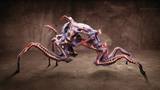
Eric Keller's workshop series inspires artists by showing how a deep understanding of biology elevates creature design. Eric's fundamental message is that great creature art stems from combining technical CG skills with genuine scientific knowledge of the natural world. By studying insects, which are readily available yet still mysterious, artists gain valuable insights that improve both the creativity and authenticity of their digital creations.
Duration: 2m 51s

This lesson establishes both the artistic goal and the scientific foundation that will inform the design process. By understanding taxonomy and evolutionary relationships, artists can create more believable and authentic creature designs grounded in biological reality. Eric demonstrates that scientific knowledge enhances creativity rather than limiting it, as the incredible diversity of nature, especially among insects, provides endless inspiration for 3D modeling and design.
Duration: 27m 16s

In this lesson, artists will learn that successful creature modeling begins with understanding anatomy, establishing strong design principles, and working iteratively from rough shapes to refined details. Rather than focusing on technical perfection early on, Eric prioritizes silhouette, proportion, and character development, treating the insect not just as a biological specimen but as a subject with personality and elegance. The approach of combining scientific accuracy with artistic interpretation, while maintaining a sense of rhythm and balance, provides a strong foundation for producing compelling, believable creature designs.
Duration: 24m 31s

This lesson focuses on successful insect modeling and explains how to represent underlying anatomy while maintaining artistic appeal. Eric's approach of combining scientific accuracy with design sensibility, treating the thorax like a motorcycle engine while respecting the hard exoskeletal nature of arthropods, demonstrates how to create compelling 3D insects. With diverse reference materials and a focus on structural accuracy and visual rhythm, artists can develop insect models that are both scientifically grounded and aesthetically striking.
Duration: 14m 4s

This lesson combines technical 3D modeling instruction with fascinating entomological knowledge to help create anatomically accurate insect models. Eric emphasizes that the current blocking phase is meant to look rough, since it serves as a guide for later, more detailed modeling, where individual tergite plates will be extracted and properly overlapped. Understanding the biological function and structure of insect anatomy, from breathing systems to social adaptations, leads to better and more realistic 3D modeling decisions.
Duration: 14m 16s

This lesson provides a comprehensive workflow for creating anatomically-informed insect legs in ZBrush, emphasizing the balance between biological accuracy and artistic design. Eric stresses that although insect legs share common structural elements, thoughtful variation in proportions and careful attention to form are essential for creating believable and visually interesting creatures. The blocking-out phase establishes proper proportions before refinement.
Duration: 17m 11s

Modeling insect wings in ZBrush is a challenging but flexible process. Eric demonstrates the anatomical accuracy of vein patterns and the technical capabilities of various modeling approaches. There's no single "correct" method, but the best technique depends on the complexity of the wing structure and the desired final result. By experimenting with tools such as Spotlight projection, ZModeler, polygroups, and DynaMesh, artists can develop workflows that balance anatomical accuracy with practical modeling efficiency.
Duration: 25m 16s

This lesson introduces the biological research and the technical execution required to create realistic 3D insect models. By thoroughly studying the anatomical variations across insect species and understanding the functions of antennae, artists can make informed creative decisions while maintaining biological plausibility. Eric's iterative workflow, which involves blocking out basic forms and refining them through multiple passes, is more effective than attempting to perfect individual elements, ultimately resulting in a more cohesive and characterful model.
Duration: 17m 37s

This lesson effectively demonstrates how understanding real-world insect anatomy informs digital creature design while allowing for artistic interpretation. By studying diverse insect species and their specialized mandible adaptations, Eric creates a believable wasp model that balances biological accuracy with visual appeal. The workflow emphasizes starting with simple shapes and gradually refining them, and shows how to make design choices about which details deserve attention based on their visibility in the final model.
Duration: 18m 53s

In this lesson, Eric emphasizes that while automated retopology tools are valuable for certain applications, manual retopology offers superior control over topology flow, which is crucial for detailed character work, clean UVs, and potential game asset conversion. The workflow of sculpting freely in ZBrush, creating clean topology in Maya, and then projecting detail back is industry-standard practice for production-quality models. Eric's attention to proper edge loops, quad topology, and anatomical understanding demonstrates how technical skills and artistic knowledge combine to create professional 3D assets.
Duration: 16m 2s

This comprehensive lesson explains the proficiency and knowledge needed for successful creature sculpting in ZBrush. Eric's approach to studying real insect anatomy and evolution while employing sophisticated ZBrush techniques produces highly detailed, believable organic surfaces. The emphasis on varying detail levels, exaggerating features for rendering, and understanding the functional purpose behind biological structures creates a framework that extends beyond just technical button-pushing to thoughtful, informed creature design.
Duration: 35m 43s

This lesson showcases a professional workflow for creating detailed, anatomically inspired 3D insects by combining Maya's retopology tools with ZBrush's sculpting capabilities. The emphasis on proper edge flow, separate overlapping pieces, and layered detailing techniques results in models that hold up under close inspection and render convincingly. This methodical approach of establishing clean topology early, then progressively adding detail through masks and specialized brushes, demonstrates how technical preparation enables artistic freedom in the final sculpting stages.
Duration: 23m 44s

In this lesson, artists learn an efficient workflow for creating realistic insect legs by combining anatomical knowledge with practical modeling techniques. Eric shows a time-saving approach to detailing legs, along with how the strategic use of masking and procedural noise can achieve high-quality organic results without tedious repetition. The emphasis on subtlety in final details highlights that realistic rendering depends more on nuanced surface variation than on extreme detail.
Duration: 16m 28s

This lesson demonstrates an advanced workflow for creating realistic insect wings that combines artistic sculpting with technical modeling considerations. Eric emphasizes the importance of matching topology for both aesthetic goals and rendering requirements. The attention to scientific accuracy, including an understanding of insect wing physics and structure, elevates the final model beyond a simple artistic interpretation, creating a believable, render-ready asset.
Duration: 18m 53s

This lesson emphasizes how investing effort in UV mapping and model organization yields significant benefits for future projects. By maintaining consistency between software packages, using logical naming conventions, and creating clean UV layouts, artists can easily repurpose models years later without frustration. Eric's workflow balances efficiency with quality, resulting in a production-ready asset suitable for high-quality rendering.
Duration: 18m 12s

Throughout this lesson, artists will discover an efficient, professional workflow for creating realistic insect textures that leverage modern PBR techniques and procedural masking. This approach emphasizes understanding real-world insect biology, particularly how chitin layers create metallic appearances, and how to translate this detail into digital shaders. By using non-destructive masking techniques and UDIM organization, artists can rapidly create multiple convincing variations of the same model, significantly reducing the time investment compared to traditional texture painting methods to produce more realistic results.
Duration: 28m 11s

This lesson provides an overview of a practical, efficiency-focused approach to insect rigging that prioritizes functionality over complexity. With these simple rigs, artists can build a reusable library of poseable insects. The key philosophy is to invest a few hours in rigging to enable quick future use, rather than repeatedly posing from scratch, making it an excellent workflow for artists who frequently work with insect subjects.
Duration: 27m 3s

Adding hair to insect models dramatically enhances realism, transforming them from lifeless forms into believable creatures with personality and biological accuracy. While Paint Effects has limitations compared to more advanced grooming tools, its direct Octane rendering capability and seamless integration with rigged models make it an efficient choice for short insect hair. Eric reveals how thoughtful organization, strategic placement, and workflow management can balance quality and performance during the posing and rendering stages.
Duration: 17m 9s

During this lesson, Eric examines a professional workflow for creating photorealistic insect renders that authentically replicate the aesthetics of macro photography. The key to success lies in understanding how real macro photographers work and translating those techniques into 3D rendering. By combining high-quality texture work in Substance Painter with Octane's physically based materials and careful attention to details, Eric achieves stunning results, particularly in the translucent wing materials and metallic exoskeleton variations.
Duration: 28m 29s

This comprehensive lesson demonstrates the technical proficiency and subject knowledge required for successful creature rendering. Eric emphasizes that studying real insect biology and photography is as important as mastering rendering software. By combining proper shader setups, efficient scene organization through references, and thoughtful post-production compositing, artists can create compelling, photorealistic insect renders. The workflow presented is designed to be flexible and non-destructive, allowing continued refinement of poses, lighting, and materials throughout the production process.
Duration: 42m 14s

In this final lesson, Eric bridges scientific accuracy with 3D artistry and emphasizes that spiders are cool little dudes. Eric's approach of combining thorough biological understanding with practical modeling techniques demonstrates that studying real-world anatomy improves the authenticity of creature design. By sharing both the artistic workflow and recommending resources from working entomologists, the lesson encourages artists to ground their creative work in solid scientific research, ultimately producing more believable and compelling creature designs.
Duration: 22m 7s

Primary tools
For this workshop you’ll need:


* Note that these programs and materials will not be supplied with the course.
Project Files
When you download the workshop files, you'll get access to a complete 3D wasp creature project with everything needed to follow along with the instructor. Inside, you'll find:
- Maya scene files (.ma) – Ready-to-open project files including the wasp rig and mudball render setups
- ZBrush sculpt file (.ztl) - The original high-resolution wasp model for detailed sculpting work
- Complete texture library (.png, .tif) - All diffuse, specular, and displacement maps for the wasp's head, wings, legs, and body segments
- Rendered elements (.png, .nk, .exr) - Sample EXR renders and reference images to compare your progress against the final results
Skills Covered
Who’s this Workshop for?
Eric Keller's workshop is tailored for intermediate to advanced 3D artists working in creature design, scientific visualization, or entertainment production. Artists should have basic knowledge of ZBrush, Maya, and texturing workflows to fully benefit from the advanced techniques demonstrated throughout the series.
Digital sculptors, concept artists, and technical artists looking to strengthen their organic modeling skills will find tremendous value in following Eric's workflow. The workshop also appeals to anyone interested in scientifically accurate creature creation, offering unique insights into how biological research informs compelling digital art and realistic creature development.
Learning Outcomes
Upon completing this workshop, artists will have mastered advanced creature design techniques combining scientific accuracy with industry-standard modeling, texturing, and rendering workflows.
Key skills include:
- How to use insect physiology and evolutionary biology as foundations for original creature concepts.
- How to integrate photo and microscope reference directly into ZBrush using Spotlight for accuracy.
- How to sculpt detailed insect anatomy using Dynamesh blockout and advanced ZBrush detailing techniques.
- How to create production-ready models through systematic sculpting and comparative anatomical analysis.
- How to rig and pose organic creatures effectively in Maya for presentation purposes.
- How to simulate realistic macro photography lighting and rendering techniques for creature presentation.
- How to utilize Octane for Maya to create multiple lighting and rendering variations.


