
 Photoshop
 Maya
Maya ZBrush
 Houdini
 Substance Painter
 Blender
 Unreal Engine
 Arnold
 Nuke
Nuke KeyShot
 V-Ray
V-Ray Marmoset Toolbag
 Mari
Mari Marvelous Designer
 Substance Designer
 3ds Max
 3DCoat
 Redshift
 Faceform Wrap
 Lightroom
 After Effects
 OctaneRender
 SpeedTree
 Daz 3D
 Agisoft Metashape
 Fusion
 Modo
Modo RealityCapture
 Gaea
Gaea Cinema 4D
 Gravity Sketch
 Premiere
 Procreate
 Clip Studio Paint
 SketchUp
 SketchBook
 Katana
 Natron
 Mudbox
 Quixel Bridge
 Quixel Megascans
 Quixel Mixer
 Substance 3D Modeler
 World Creator
 Yeti
Yeti Ziva VFX
 Mixamo
 Adobe Medium
 Quixel DDO
 xNormal
 Meshmixer
 Storyboard Pro
 DaVinci Resolve
 TreeIt
 World Machine
 Gaffer
 Corel Painter
 SynthEyes
 Krita
Krita Massive
 Materialize
 Unity
Unity Ornatrix
 PreForm
 Moi 3D
 animBot
 QuickTime
 ReCap
ReCap
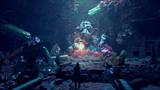







Learn how to create an entire world foundation using a straightforward creative process. In this two-hour workshop by Tiago Sousa, he presents his entire workflow, from the conception of a simple story through to the final environment. The idea is that you’ll end up with not just one final scene but, most importantly, a strong base you can continue developing. The world you create will be a course of never-ending inspiration, even when you feel less inspired.
Throughout the workshop, Tiago provides tips on writing down the main elements of a story, as well as how to find and organize essential references. He then moves on to sketching and demonstrates how to test the initial ideas using basic tools in Blender. He discusses the importance of camera angles and lighting and how to generate several renders to envision your world as it comes to life. For the final steps, Tiago moves into Photoshop, where he shares his techniques for painting, photo-bashing, and polishing a chosen scene.
This workshop is recommended for junior and intermediate-level artists. By completing this workshop, you’ll have developed a world base with enough material to produce several renders that will give a rich, cohesive look to your portfolio and show your ability to think creatively.
Tiago shares his Blender file with all assets and cameras created and the layered Photoshop file with adjustments included for subscribers to examine.
9 Lessons
In this workshop, Tiago Sousa offers a comprehensive introduction to professional concept art for the game industry. Tiago’s practical approach bridges creative exploration with industry requirements, making it valuable for aspiring concept artists building portfolios. The workflow from story to final presentation provides artists with applicable skills and methods used in real production environments.
Duration: 2m 12s

Developing a written narrative before visual development is crucial for creating compelling concept art. By establishing a story and layering in unexpected visual elements, artists avoid generic designs while maintaining focus on the core concept. This approach strengthens individual pieces and creates opportunities for expanding the world into multiple related artworks.
Duration: 10m 13s

Effective concept art begins with thoughtful preparation. By curating references that challenge skills and merging disparate ideas into new combinations, artists create a foundation for original work. The process remains flexible and focused, allowing room for creative discoveries while keeping a clear direction guided by initial keywords and story concepts.
Duration: 10m 37s

This lesson demonstrates that effective concept art begins with unrestricted exploration. By maintaining flexibility and questioning design choices through the lens of a story, artists develop richer, more coherent worlds. Artists use sketching to plan and explore ideas, setting guidelines and identifying areas for refinement in later stages.
Duration: 17m 3s

This lesson shows an effective way to sketch in 3D that prioritizes experimentation. The key is treating Blender as a sketching tool by keeping things simple and validating design decisions through scale references. This workflow is valuable for game environment design, where player experience and navigation are the primary focus.
Duration: 14m 37s

This phase focuses on efficient exploration to establish a strong foundation. By creating multiple camera angles with clear shapes and lighting, artists decide which compositions best serve the story. These renders serve as bases for the next phase in Photoshop, where artists refine the detailed design work and storytelling.
Duration: 17m 20s

This lesson shows an efficient approach to creating complex 3D scenes by combining 2D planning with strategic 3D modeling. Tiago prioritizes working smart by using simple geometry for distant elements and leveraging tools like Mixamo. This method creates a solid foundation for lighting and composition while maintaining flexibility for final refinements in Photoshop.
Duration: 13m 45s

This lesson demonstrates how a simplified approach can be more effective when finalizing 3D renders. By selectively adding crispness only to focal points, artists create visual hierarchy and guide the viewer's eye. This combines 3D efficiency with the organic feel of digital painting, resulting in artwork with a painterly quality.
Duration: 18m 52s

In this final lesson, Tiago shows how to efficiently combine 3D rendering, photo manipulation, and digital painting. Establishing detail levels early and focusing effort on hero objects creates compelling artwork efficiently. Tiago encourages artists to develop their portfolios by showing the full creative process to demonstrate valuable industry thinking skills.
Duration: 22m 7s

Primary tools
For this workshop you’ll need:
Project Files
When you download the workshop files, you'll get access to Tiago Sousa's complete "Desert Rituals" project workflow, including both the 3D scene and concept art components. Inside, you'll find:
- Blender scene file – The full 3D environment setup with lighting, materials, and scene composition ready to explore and modify
- Photoshop concept file - The original layered artwork showing the design process and allowing you to study the artistic development
Skills Covered
Who’s this Workshop for?
This workshop is specifically designed for beginner and intermediate-level artists who are looking to strengthen their world-building and environment design skills. Digital artists, concept designers, and 3D generalists that want to develop a systematic approach to creating cohesive fictional worlds will find this training invaluable.
Portfolio developers and creative professionals seeking to demonstrate their storytelling abilities through visual work will also benefit significantly. The comprehensive workflow teaches artists how to build a foundation that generates ongoing inspiration and provides enough material to create multiple portfolio pieces with a unified, professional aesthetic.
Learning Outcomes
By finishing this workshop, artists will have developed a world-building foundation with enough material to produce several cohesive renders for their portfolio.
Key skills include:
- How to develop story concepts and document essential narrative elements systematically.
- How to research, gather, and organize visual references for consistent world development.
- How to create initial sketches and test ideas using fundamental Blender tools.
- How to utilize strategic camera angles and lighting to bring environments to life.
- How to generate multiple renders that effectively showcase your created world.
- How to enhance scenes in Photoshop using painting and photo-bashing techniques.
- How to polish final compositions for professional portfolio presentation and client work.


